The Charity was founded on 28 February 1551 in the Parish of St Clement Danes, Westminster, funded by land purchased in St Andrew’s, Holborn, to provide alms for twelve poor parishioners.
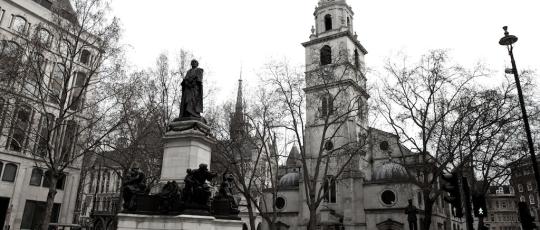
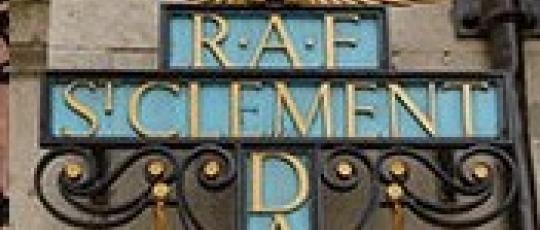
The original parish church survived the Great Fire but later became unsafe and was replaced by a Christopher Wren church in 1682. That church was gutted by bombing in 1941 and was reconsecrated in 1958 as the Central Church of the Royal Air Force after the parish merged with St Mary le Strand in 1951.
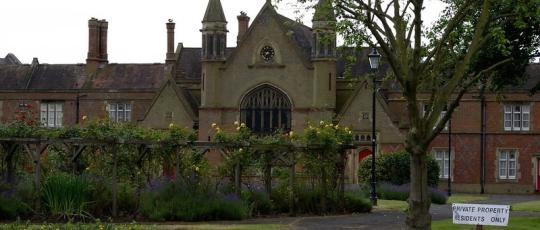
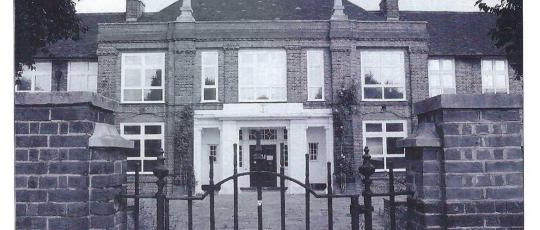
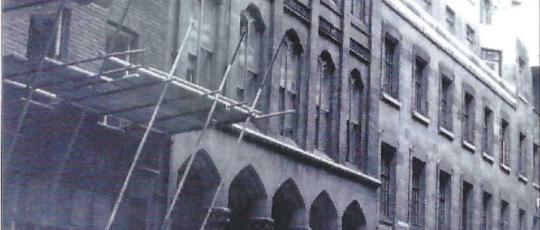
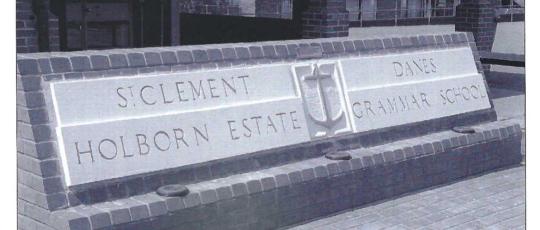
From 1551 to 1844 the Charity managed the Holborn Estate and distributed its income to the poor. As London expanded, the estate’s income grew significantly, leading to a new 1844 scheme that set three purposes: education, wider charitable relief, and improved almshouse provision. Administration was split between 12 Trustees managing the estate and 24 Managers distributing income. Major achievements included new almshouses in Tooting (1849) and the founding of St Clement Danes Grammar School (1862). National education reforms in 1869 led to the creation of a separate Educational Endowment Trust.
In 1881 the Charity Commissioners recommended simplifying administration. A new 1882 scheme reduced the number of Trustees and Managers, though full consolidation into a single board did not occur until the 1935 scheme.
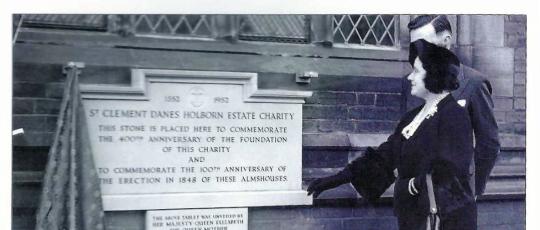
During the Second World War, the Charity, church and school all suffered bomb damage. The almshouses and school were hit by flying bombs, forcing residents to evacuate temporarily and closing the school until September 1944. Income fell between 1941 and 1946 but recovered after the war, allowing repairs, including a new chapel organ in 1949 and a residents’ garden party. The Charity marked its 400th anniversary with a celebration in 1952, and later that year welcomed Queen Elizabeth, the Queen Mother, to a commemorative chapel service.
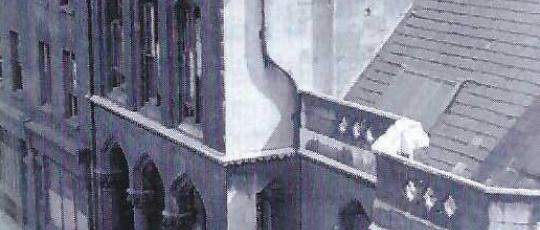
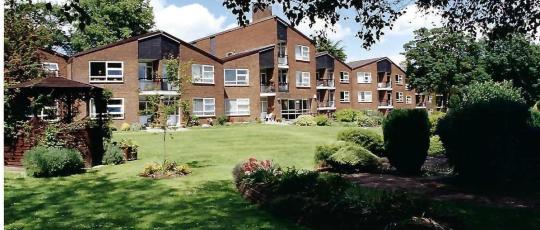
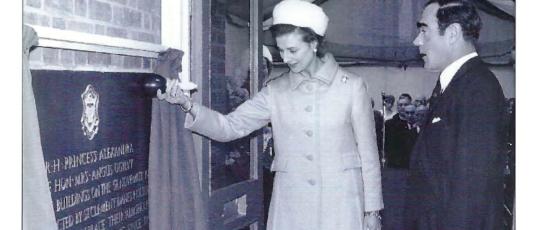
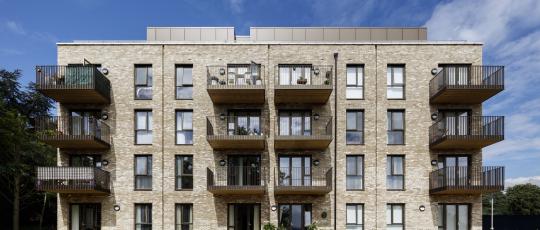
From the mid‑20th century onward, the St Clement Danes Holborn Estate Charity continued its longstanding role as a provider of almshouse accommodation and charitable support within London. By the early post‑war decades, the historic 19th‑century almshouses at Garratt Lane, built in 1848 - 49, remained a core part of the charity’s housing provision. In 1966, the Garratt Lane almshouses were sold to the London Borough of Wandsworth, prompting the construction of a new complex at Wells Park Road, Sydenham, consisting of bed‑sitting rooms designed to modernise and expand residential accommodation. Over subsequent decades, the trustees managed evolving administrative, property, and financial responsibilities, as documented in extensive records held at the City of Westminster Archives. By the early 21st century, the 1960s almshouses were deemed no longer fit for contemporary needs, leading to a major redevelopment project from 2014 - 2016. The new almshouse complex, St Clement’s Heights, opened in November 2016, offering 48 fully accessible, modern units set within landscaped grounds. As of 2026, the charity continues to operate as a provider of sheltered housing and grants, maintaining more than £1.2 million in annual income and supporting both older residents and educational initiatives such as St Clement Danes School.